Botox vs Dysport — Head-to-Head Comparison (2026)
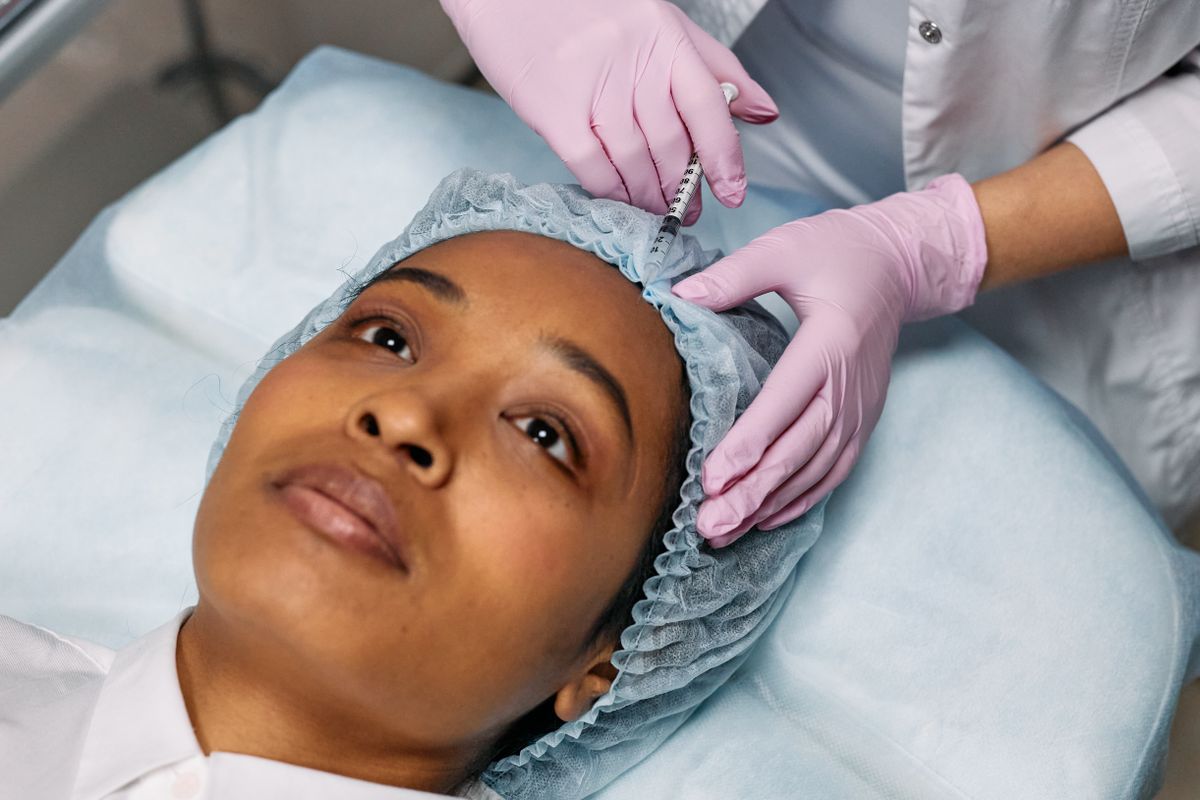
Botox and Dysport are the two most widely used neurotoxin injectables in the U.S. Both temporarily relax targeted facial muscles to smooth dynamic wrinkles. They're FDA-approved, safe in qualified hands, and produce very similar results — but they're not identical. Here's how they actually differ in 2026.
At a Glance
- Botox (onabotulinumtoxinA) — Allergan, FDA-approved since 2002
- Dysport (abobotulinumtoxinA) — Galderma, FDA-approved since 2009
- Both block acetylcholine release at the neuromuscular junction
- Both treat the same major cosmetic areas: forehead, glabella, crow's feet
Onset — How Fast They Kick In
Dysport tends to show results faster than Botox. Most patients see initial smoothing 2–3 days after Dysport vs 3–5 days after Botox. Full effect lands around 14 days for both. If you have an event in a week, Dysport may be the safer bet for guaranteed onset.
Duration — How Long Results Last
In most patients, results from both products last 3–4 months. Some clinical data suggests Dysport may last slightly longer in larger treatment areas (like the forehead), while Botox tends to be more predictable for precise small-area dosing.
Spread — Where the Product Travels
Dysport diffuses more from the injection site than Botox. That's a feature, not a bug — it's why Dysport often works well in broader areas like the forehead. But it also means Dysport is less ideal for tightly targeted areas like the lip flip or chin dimpling, where Botox's tighter spread gives an injector more precision.
Units and Pricing
Botox and Dysport use different unit scales — they are NOT 1:1. Dysport uses roughly 2.5–3 Dysport units per 1 Botox unit. So a 20-unit Botox forehead session is equivalent to roughly 50–60 Dysport units.
- Botox: $12–$18 per unit (typical session: 20–40 units = $240–$720)
- Dysport: $4–$8 per unit (typical session: 50–100 units = $200–$800)
- Net cost per treated area is generally within 10–15% of each other
- Both have loyalty programs: Allē (Botox) vs Aspire (Dysport)
Best Use Cases
- Forehead lines (broad area): Dysport often preferred for even diffusion
- Glabella (the '11s'): Either works well; Dysport was FDA-approved for this first
- Crow's feet: Both work well; Botox slightly more common
- Lip flip / perioral lines: Botox preferred for precision
- Masseter (jaw slimming): Either; some providers prefer Botox for predictability
- Hyperhidrosis (sweating): Botox FDA-approved; Dysport used off-label
Side Effects
Both products have the same general side-effect profile — minor bruising, swelling, and rarely temporary eyelid drooping if the product migrates. Side effects are operator-dependent: a skilled injector with either product will produce better outcomes than an inexperienced one with the 'better' product.
So Which One Should You Choose?
Honestly: pick the injector first, product second. The skill of the person holding the needle matters far more than the brand in the syringe. If your provider is equally experienced with both, ask which they prefer for your specific concerns and treatment areas. Many regulars rotate between the two depending on the area being treated.
Find Botox & Neurotoxin Providers Near You
Compare verified injectors in your city — see hours, reviews, and treatment menus for Botox, Dysport, Xeomin, and Daxxify.
Explore Now