
Dermal Fillers
Find MedSpas offering dermal fillers treatments near you
Loading...
Dermal Fillers — Average Cost (2026)
$650–$1,100 per syringe
most cheek treatments use 2 syringes
U.S. national average. Major-metro pricing typically runs 10–25% above this range. See the full MedSpa Cost Guide 2026 for pricing across every treatment category.
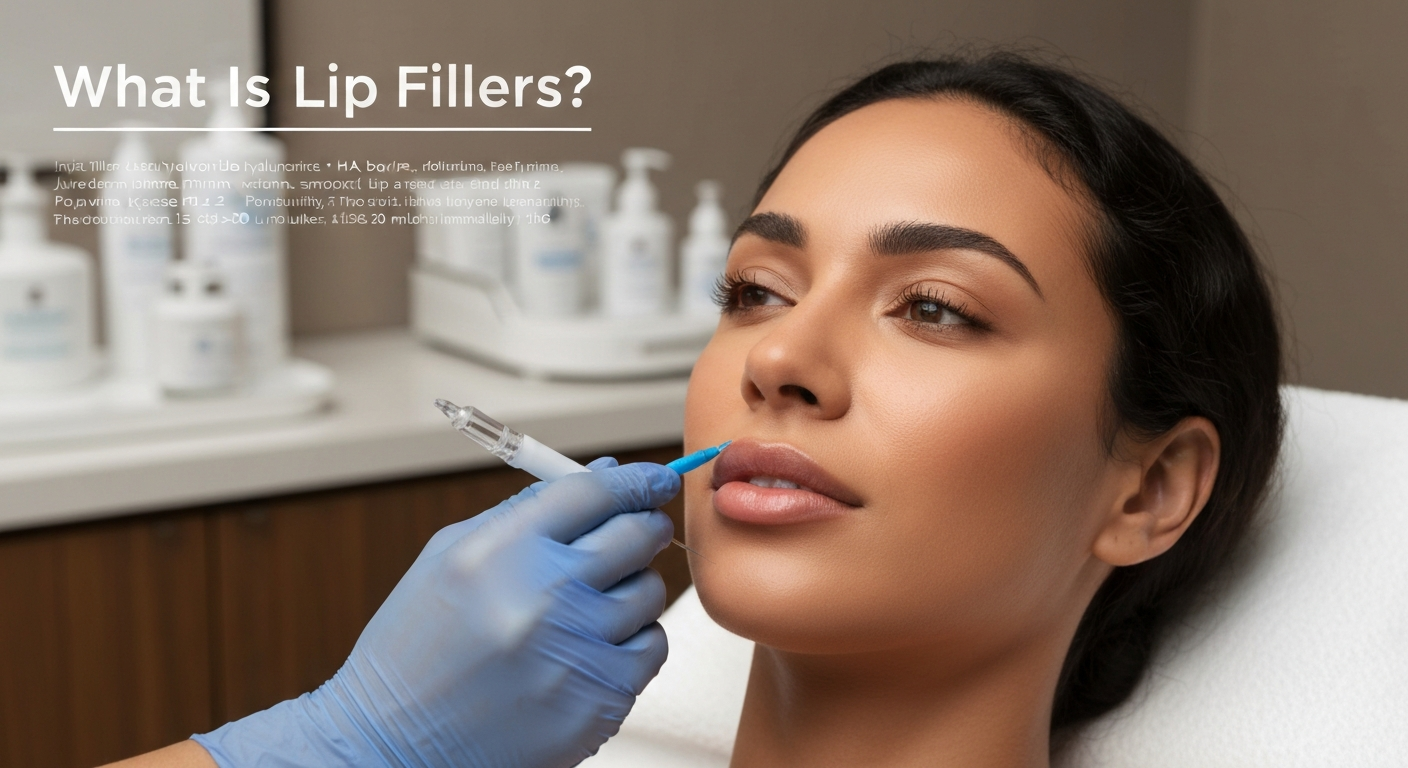
Dermal fillers are injectable treatments used to restore lost volume, smooth deep wrinkles, and enhance facial contours. Popular brands include Juvederm, Restylane, RHA, and Sculptra. Fillers are commonly used on the lips, cheeks, jawline, nasolabial folds, and under-eye hollows.
Dermal fillers are injectable treatments used to restore lost volume, smooth deep wrinkles, and enhance facial contours. Popular brands include Juvederm, Restylane, RHA, and Sculptra. Fillers are commonly used on the lips, cheeks, jawline, nasolabial folds, and under-eye hollows.
What Are Dermal Fillers?
Dermal fillers are gel-like injectable substances used to restore lost volume, smooth deep lines, soften facial creases, and enhance facial contours. The most popular fillers are made from hyaluronic acid (HA), a naturally occurring substance in the skin that attracts and retains moisture. Leading brands include Juvederm, Restylane, RHA Collection, and Belotero.
Other types of fillers include calcium hydroxylapatite (Radiesse), poly-L-lactic acid (Sculptra), and polymethylmethacrylate (Bellafill). Each product is formulated with different consistencies and properties, making them ideal for specific treatment areas and concerns.
How the Procedure Works
A dermal filler treatment begins with a thorough consultation where your provider assesses your facial anatomy and discusses your aesthetic goals. The treatment area is cleaned, and a topical numbing cream or local anesthetic may be applied for comfort. Most modern fillers also contain lidocaine for added comfort during injection.
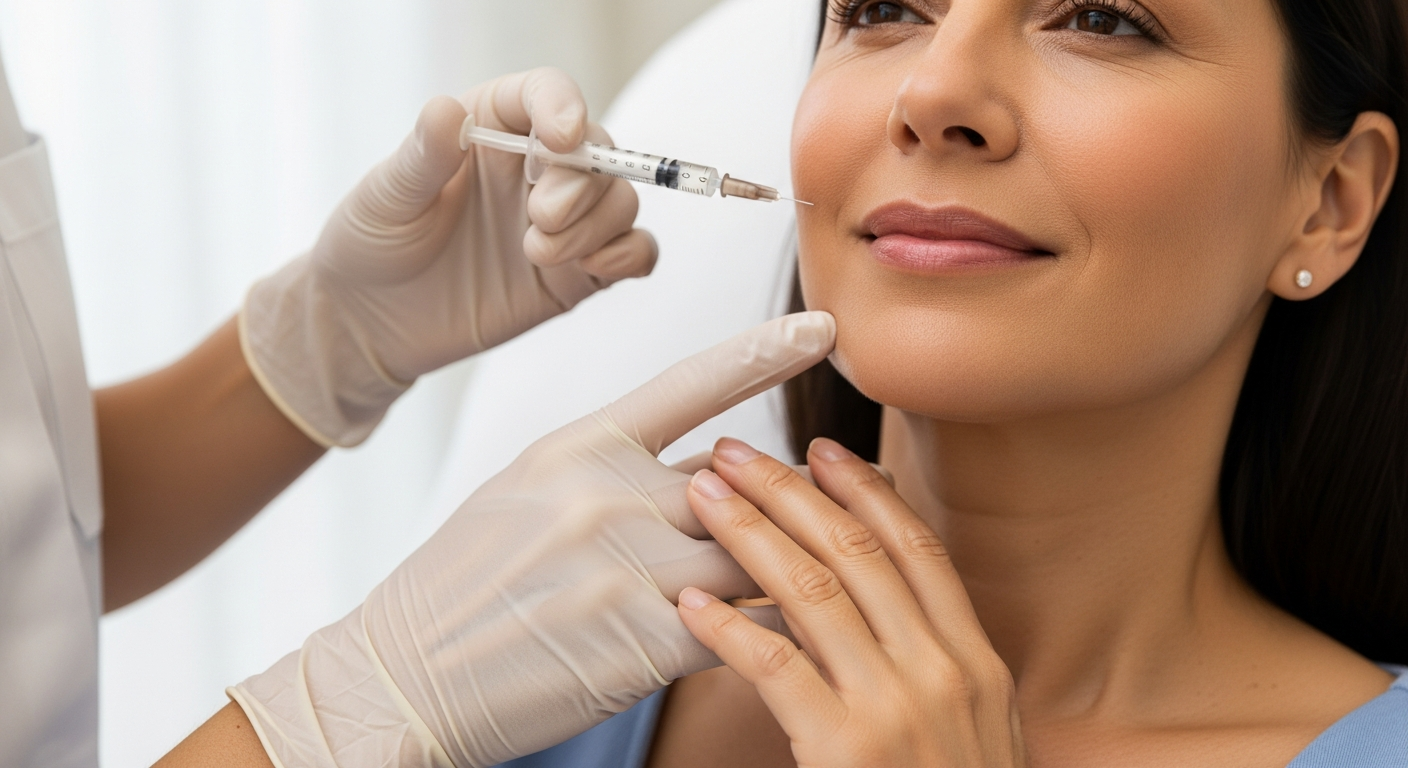
Using a fine needle or blunt-tip cannula, the provider precisely injects the filler at specific depths and locations to achieve the desired volume and contour. The procedure typically takes 15–45 minutes depending on the number of areas treated. Your provider may gently massage the product into place for a smooth, natural result.
Results & Recovery
Results from dermal fillers are immediately visible, though minor swelling may temporarily exaggerate the effect for the first 24–48 hours. Most patients experience only minor bruising or tenderness at injection sites, which resolves within a few days. You can typically return to most activities right away, though strenuous exercise is best avoided for 24 hours.
Depending on the product and treatment area, filler results last anywhere from 6 to 24 months. Lip fillers typically last 6–9 months, cheek fillers 12–18 months, and jawline fillers 12–18 months. One of the key advantages of HA fillers is that they can be dissolved with hyaluronidase if the patient is unsatisfied with the results or experiences any complications.
MedSpas Offering Dermal Fillers
Browse verified providers near you
Frequently Asked Questions About Dermal Fillers
How long do dermal fillers last?+
Depending on the type of filler and treatment area, results typically last 6–18 months. Lip fillers tend to last 6–9 months, while cheek fillers can last 12–18 months.
Can dermal fillers be reversed?+
Yes, hyaluronic acid-based fillers (like Juvederm and Restylane) can be dissolved with an enzyme called hyaluronidase if needed. Non-HA fillers like Sculptra and Radiesse cannot be reversed.
What's the difference between Botox and fillers?+
Botox relaxes muscles to reduce dynamic wrinkles (like crow's feet), while fillers add volume to smooth static wrinkles and enhance facial contours. Many patients benefit from both.
How much does Dermal Fillers cost in the U.S.?+
The 2026 U.S. national average for dermal fillers is $650–$1,100 per syringe. Context: most cheek treatments use 2 syringes. Premium metros like NYC, LA, Miami, and San Francisco typically run higher — roughly $747–$1,375 per syringe. Smaller and Midwestern markets often run 5–10% below the national average.
Why does Dermal Fillers cost more in some cities?+
Dermal Fillers pricing varies by city for several reasons: cost of doing business (rent, staff, insurance), local demand and patient willingness to pay, provider credentials (MD-led practices typically charge more than RN injectors), and product or device costs. Always compare 2–3 providers in your area and ask whether quotes include consultation, follow-ups, and any included products.
What should I ask before booking Dermal Fillers?+
Before booking dermal fillers, ask: (1) what are the provider's credentials and how many dermal fillers treatments have they performed, (2) what specific product or device will be used and is it FDA-cleared/authentic, (3) what is the total quoted price (consultation, treatment, follow-ups included), (4) what downtime should you plan for, and (5) what does the provider's before-and-after portfolio look like for patients similar to you.
Is Dermal Fillers safe?+
Dermal Fillers is generally safe when performed by a qualified, licensed provider using authentic FDA-approved or FDA-cleared products. Risk increases significantly with under-trained providers, counterfeit or compounded products from unverified sources, and improper aftercare. Always verify your provider's credentials, see real before-and-after photos, and follow aftercare instructions exactly. If something doesn't feel right, ask questions before consenting.
How do I find the best Dermal Fillers provider near me?+
The fastest path is to (1) browse verified providers in your city on MedSpa Directory Pro, (2) shortlist 2–3 based on credentials, reviews, and treatment-specific portfolio, (3) book free consultations to compare pricing, recommended treatment plan, and your comfort with the provider, and (4) choose the provider whose plan, portfolio, and communication feel right — not just the cheapest quote.
What are red flags when choosing a Dermal Fillers provider?+
Common red flags for dermal fillers: prices dramatically below market (often signals counterfeit product or under-qualified provider), reluctance to share credentials or before-and-after photos, no in-person consultation, pressure to book immediately or buy large packages, unsanitary facility, and lack of medical-grade emergency protocols. A reputable provider will welcome questions and never pressure you.