
Lymphatic Drainage
Find MedSpas offering lymphatic drainage treatments near you
Loading...
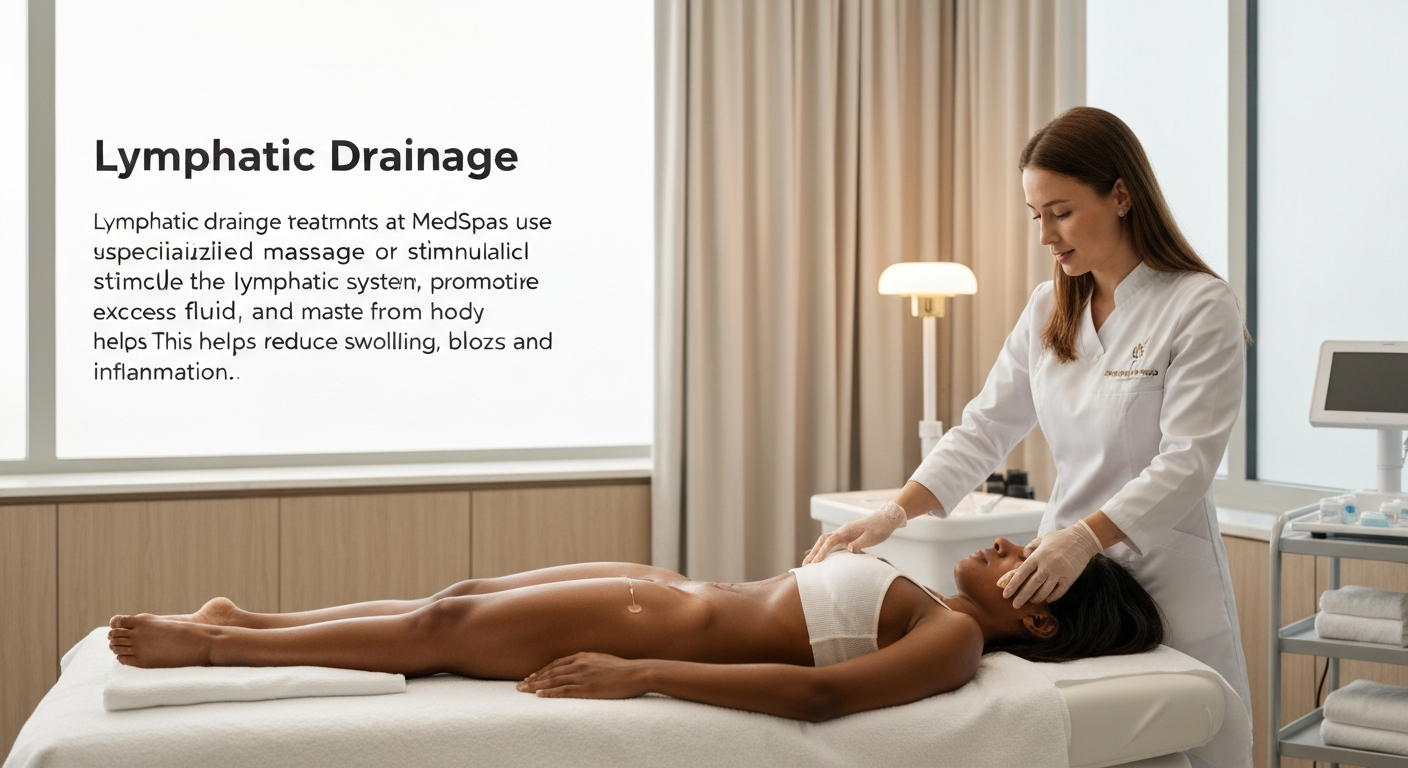
Lymphatic drainage treatments at MedSpas use specialized massage techniques or mechanical devices to stimulate the lymphatic system, promoting the removal of toxins, excess fluid, and metabolic waste from the body. This helps reduce swelling, bloating, and inflammation.
Lymphatic drainage treatments at MedSpas use specialized massage techniques or mechanical devices to stimulate the lymphatic system, promoting the removal of toxins, excess fluid, and metabolic waste from the body. This helps reduce swelling, bloating, and inflammation.
What Is Lymphatic Drainage?
Lymphatic drainage treatments at MedSpas use specialized massage techniques or mechanical devices to stimulate the lymphatic system, promoting the removal of toxins, excess fluid, and metabolic waste from the body. This helps reduce swelling, bloating, and inflammation.
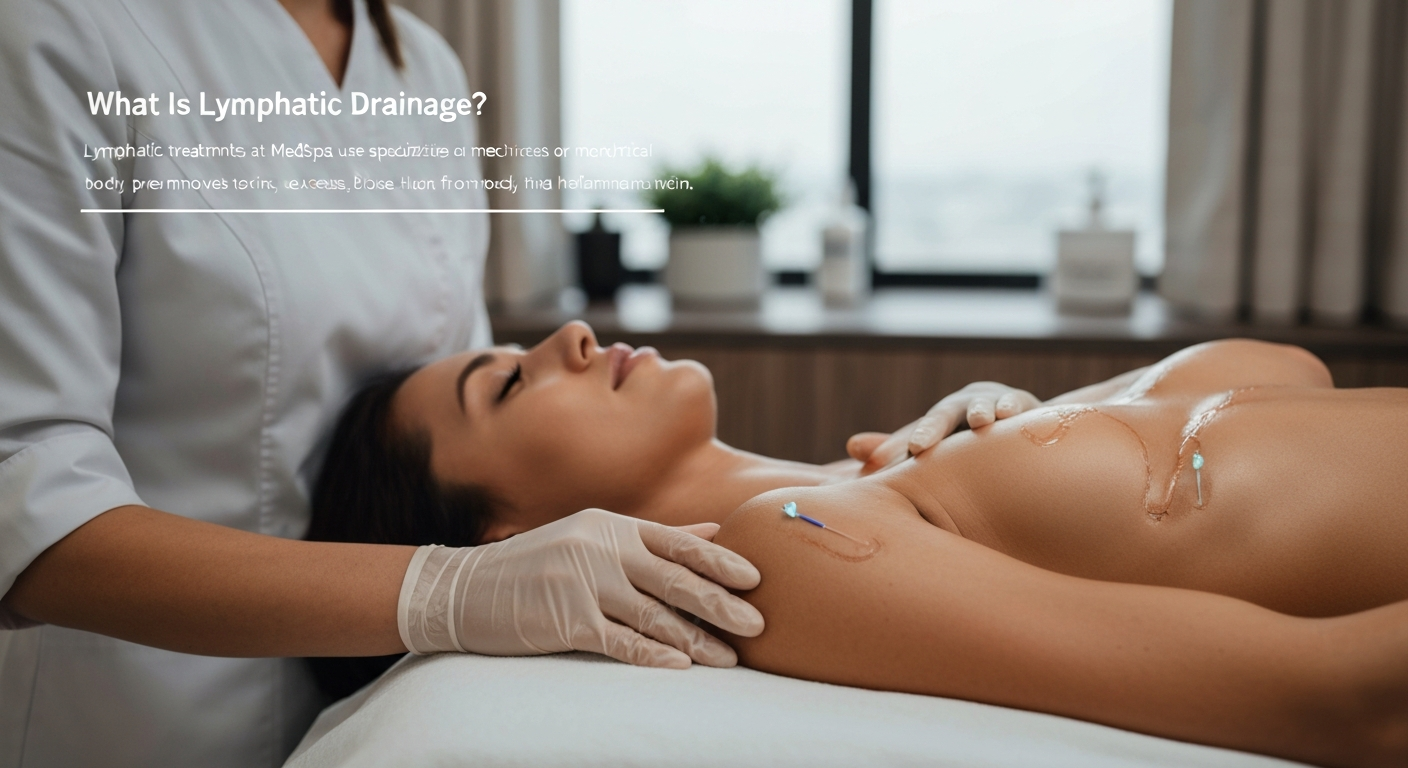
How the Treatment Works
Lymphatic drainage is popular both as a standalone wellness treatment and as a post-procedure recovery aid after liposuction, body contouring, or facial treatments. Sessions typically last 45–60 minutes and can provide immediate reduction in puffiness and bloating. Regular treatments support immune function and overall detoxification.

Benefits & Expected Results
Lymphatic Drainage treatments at a MedSpa offer professional-grade results that surpass at-home alternatives. Your provider will customize the treatment to your unique needs, skin type, and goals, ensuring the best possible outcome.
During your consultation, your provider will discuss what to expect, how many sessions may be needed, and how to care for your skin or body afterward to maximize and maintain results. Most patients find these treatments to be a worthwhile investment in their appearance and confidence.
MedSpas Offering Lymphatic Drainage
Browse verified providers near you
Frequently Asked Questions About Lymphatic Drainage
How often should I get lymphatic drainage?+
For general wellness, monthly sessions are beneficial. Post-procedure patients may need 2–3 sessions per week initially. For detoxification, a weekly series of 4–6 sessions followed by monthly maintenance is common.
What should I expect during lymphatic drainage?+
The treatment involves gentle, rhythmic massage movements or mechanical compression that feel relaxing. You may notice increased urination after treatment as the body flushes excess fluid. Many patients feel lighter and less bloated immediately.
What should I ask before booking Lymphatic Drainage?+
Before booking lymphatic drainage, ask: (1) what are the provider's credentials and how many lymphatic drainage treatments have they performed, (2) what specific product or device will be used and is it FDA-cleared/authentic, (3) what is the total quoted price (consultation, treatment, follow-ups included), (4) what downtime should you plan for, and (5) what does the provider's before-and-after portfolio look like for patients similar to you.
Is Lymphatic Drainage safe?+
Lymphatic Drainage is generally safe when performed by a qualified, licensed provider using authentic FDA-approved or FDA-cleared products. Risk increases significantly with under-trained providers, counterfeit or compounded products from unverified sources, and improper aftercare. Always verify your provider's credentials, see real before-and-after photos, and follow aftercare instructions exactly. If something doesn't feel right, ask questions before consenting.
How do I find the best Lymphatic Drainage provider near me?+
The fastest path is to (1) browse verified providers in your city on MedSpa Directory Pro, (2) shortlist 2–3 based on credentials, reviews, and treatment-specific portfolio, (3) book free consultations to compare pricing, recommended treatment plan, and your comfort with the provider, and (4) choose the provider whose plan, portfolio, and communication feel right — not just the cheapest quote.
What are red flags when choosing a Lymphatic Drainage provider?+
Common red flags for lymphatic drainage: prices dramatically below market (often signals counterfeit product or under-qualified provider), reluctance to share credentials or before-and-after photos, no in-person consultation, pressure to book immediately or buy large packages, unsanitary facility, and lack of medical-grade emergency protocols. A reputable provider will welcome questions and never pressure you.