
Ultherapy
Find MedSpas offering ultherapy treatments near you
Loading...

Ultherapy is the only FDA-cleared non-invasive treatment that uses micro-focused ultrasound with visualization (MFU-V) to lift and tighten the skin on the face, neck, and chest. The ultrasound energy targets the deep foundational layer of tissue (SMAS) that surgeons address during facelifts.
Ultherapy is the only FDA-cleared non-invasive treatment that uses micro-focused ultrasound with visualization (MFU-V) to lift and tighten the skin on the face, neck, and chest. The ultrasound energy targets the deep foundational layer of tissue (SMAS) that surgeons address during facelifts.
What Is Ultherapy?
Ultherapy is the only FDA-cleared non-invasive treatment that uses micro-focused ultrasound with visualization (MFU-V) to lift and tighten the skin on the face, neck, and chest. The ultrasound energy targets the deep foundational layer of tissue (SMAS) that surgeons address during facelifts.
How the Treatment Works
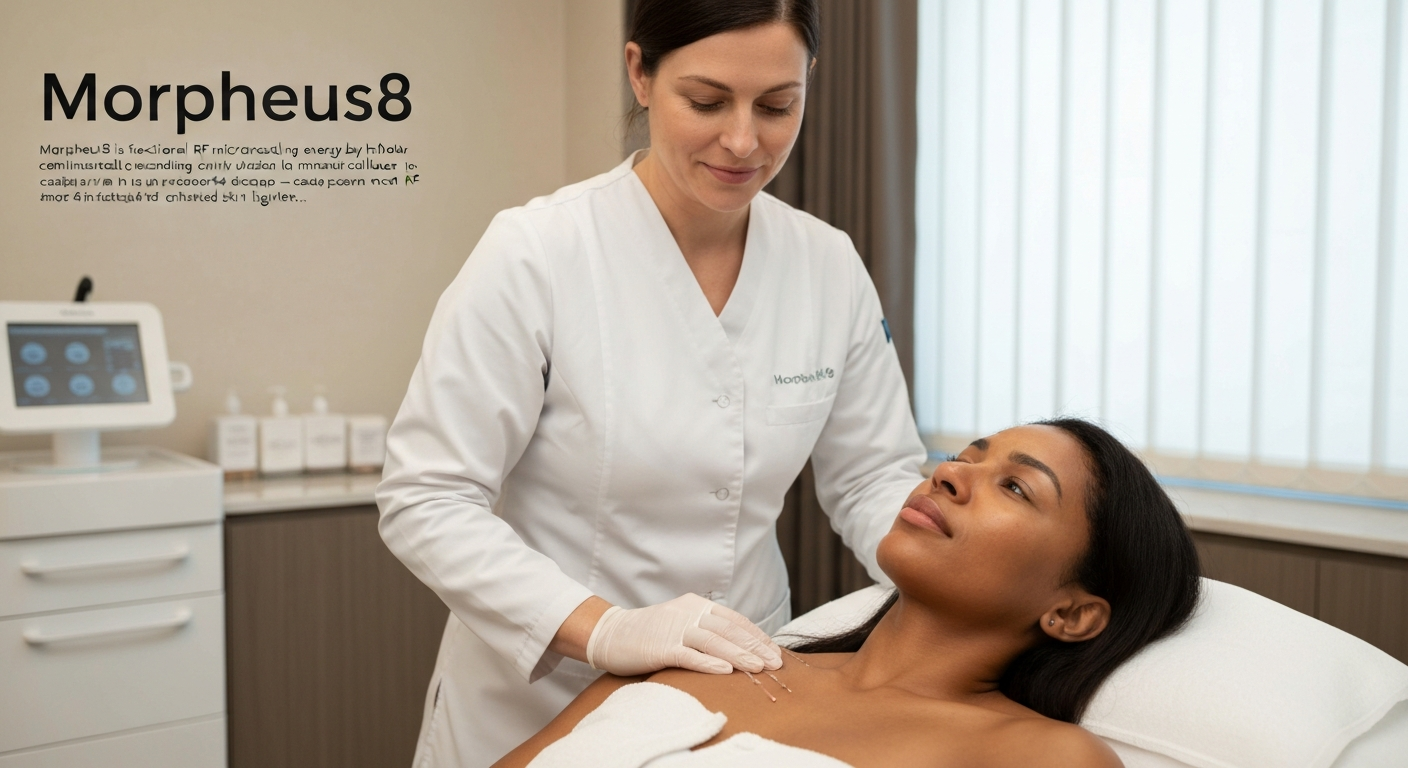
During treatment, ultrasound imaging allows the provider to see the tissue layers being treated, ensuring precise energy delivery. The thermal energy stimulates new collagen production, with results developing gradually over 2–6 months. A single Ultherapy session can produce noticeable lifting that lasts 1–2 years.
Benefits & Expected Results
Ultherapy treatments at a MedSpa offer professional-grade results that surpass at-home alternatives. Your provider will customize the treatment to your unique needs, skin type, and goals, ensuring the best possible outcome.
During your consultation, your provider will discuss what to expect, how many sessions may be needed, and how to care for your skin or body afterward to maximize and maintain results. Most patients find these treatments to be a worthwhile investment in their appearance and confidence.
MedSpas Offering Ultherapy
Browse verified providers near you
Frequently Asked Questions About Ultherapy
How long do Ultherapy results last?+
Ultherapy results typically last 1–2 years. The treatment creates new collagen, but the aging process continues. Maintenance sessions every 12–18 months help sustain and build upon initial results.
Is Ultherapy painful?+
Ultherapy involves some discomfort as the ultrasound energy reaches deep tissue layers. Pain management options include oral medications, nerve blocks, and nitrous oxide. The intensity varies by treatment area — the jawline tends to be most sensitive.
What should I ask before booking Ultherapy?+
Before booking ultherapy, ask: (1) what are the provider's credentials and how many ultherapy treatments have they performed, (2) what specific product or device will be used and is it FDA-cleared/authentic, (3) what is the total quoted price (consultation, treatment, follow-ups included), (4) what downtime should you plan for, and (5) what does the provider's before-and-after portfolio look like for patients similar to you.
Is Ultherapy safe?+
Ultherapy is generally safe when performed by a qualified, licensed provider using authentic FDA-approved or FDA-cleared products. Risk increases significantly with under-trained providers, counterfeit or compounded products from unverified sources, and improper aftercare. Always verify your provider's credentials, see real before-and-after photos, and follow aftercare instructions exactly. If something doesn't feel right, ask questions before consenting.
How do I find the best Ultherapy provider near me?+
The fastest path is to (1) browse verified providers in your city on MedSpa Directory Pro, (2) shortlist 2–3 based on credentials, reviews, and treatment-specific portfolio, (3) book free consultations to compare pricing, recommended treatment plan, and your comfort with the provider, and (4) choose the provider whose plan, portfolio, and communication feel right — not just the cheapest quote.
What are red flags when choosing a Ultherapy provider?+
Common red flags for ultherapy: prices dramatically below market (often signals counterfeit product or under-qualified provider), reluctance to share credentials or before-and-after photos, no in-person consultation, pressure to book immediately or buy large packages, unsanitary facility, and lack of medical-grade emergency protocols. A reputable provider will welcome questions and never pressure you.