
HydraFacial
Find MedSpas offering hydrafacial treatments near you
Loading...
HydraFacial — Average Cost (2026)
$175–$350 per session
U.S. national average. Major-metro pricing typically runs 10–25% above this range. See the full MedSpa Cost Guide 2026 for pricing across every treatment category.

HydraFacial is a multi-step facial treatment that cleanses, exfoliates, extracts impurities, and hydrates the skin using patented vortex technology. Unlike traditional facials, HydraFacial uses a mechanical device to deliver serums and perform extractions simultaneously, providing immediate and consistent results.
HydraFacial is a multi-step facial treatment that cleanses, exfoliates, extracts impurities, and hydrates the skin using patented vortex technology. Unlike traditional facials, HydraFacial uses a mechanical device to deliver serums and perform extractions simultaneously, providing immediate and consistent results.
What Is a HydraFacial?
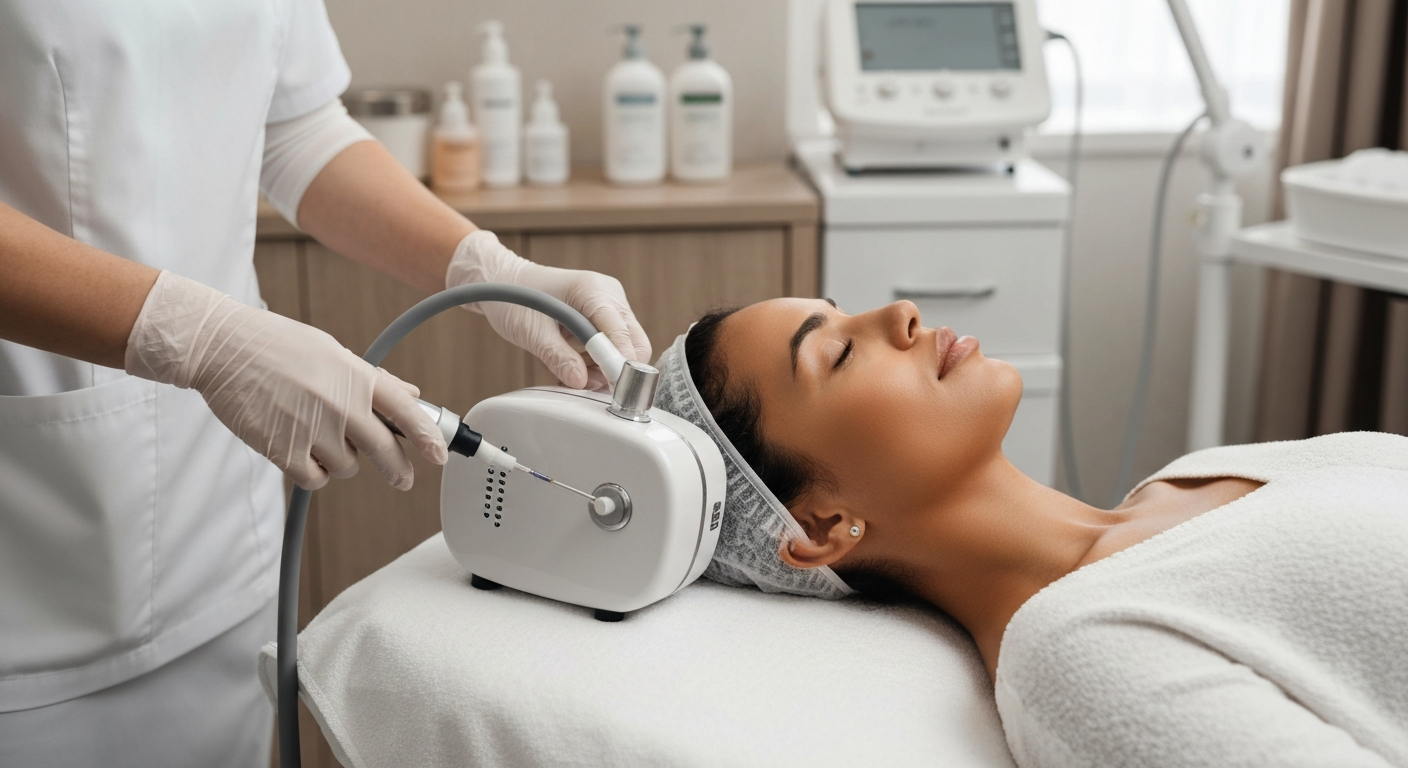
HydraFacial is a patented, multi-step facial treatment that uses vortex-fusion technology to cleanse, extract, and hydrate the skin simultaneously. Unlike traditional facials that rely solely on manual techniques, HydraFacial's mechanical device delivers consistent, reproducible results by combining suction-based extraction with the infusion of specialized serums.
The treatment has become one of the most popular facial procedures in the world, with a HydraFacial performed approximately every 15 seconds globally. Its popularity stems from its versatility (suitable for all skin types), zero downtime, and the immediate visible results — patients walk out with noticeably glowing, hydrated skin.
The Multi-Step Process
A HydraFacial follows a standardized multi-step protocol that can be completed in about 30 minutes. Step one involves cleansing and exfoliation using a gentle peel solution to loosen dead skin and debris. Step two uses painless vortex suction to extract impurities from pores. Step three saturates the skin with intensive moisturizers, antioxidants, and peptides.
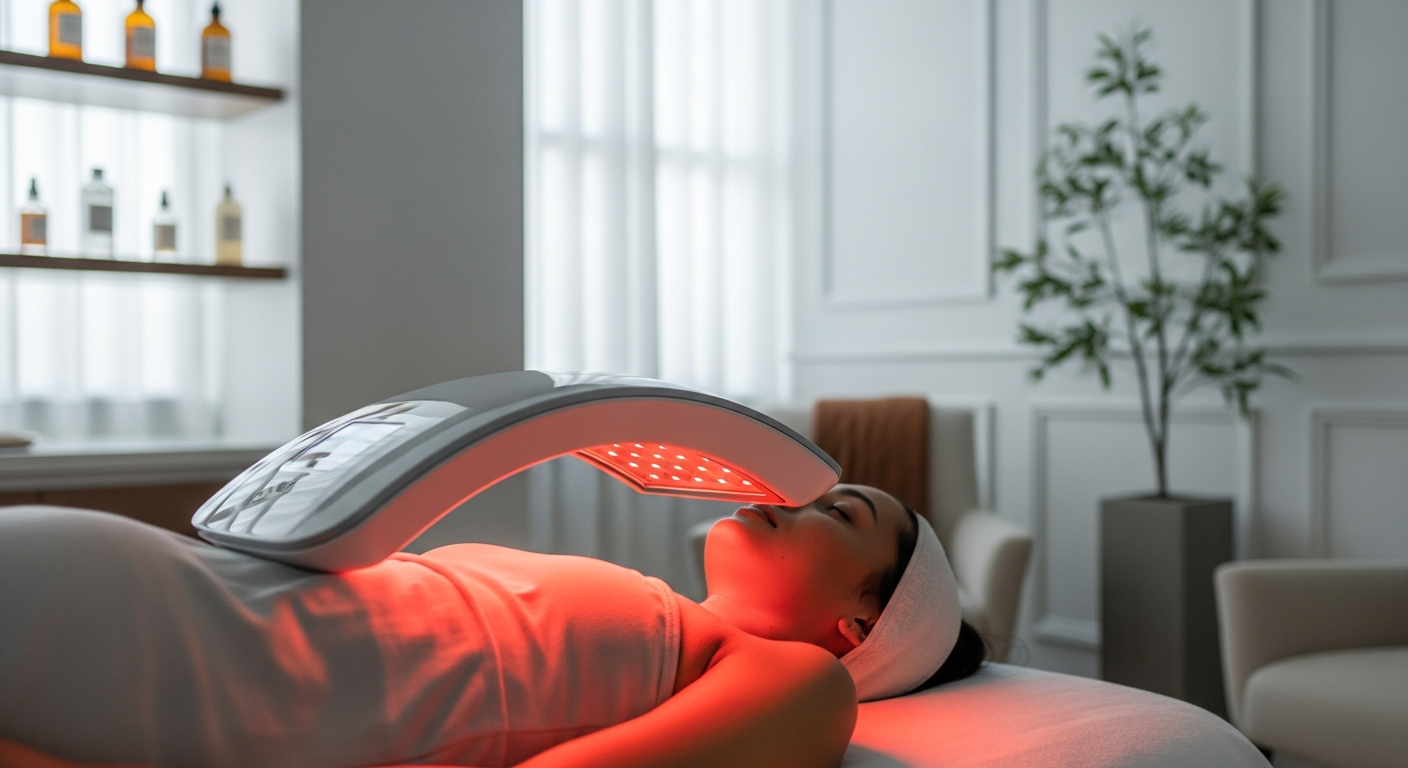
The treatment can be further customized with booster serums targeting specific concerns: growth factor boosters for anti-aging, brightening boosters for hyperpigmentation, or blue LED light for acne. Many MedSpas also offer "HydraFacial Platinum" or extended protocols that add lymphatic drainage, LED light therapy, or additional booster applications.
Who Should Get a HydraFacial?
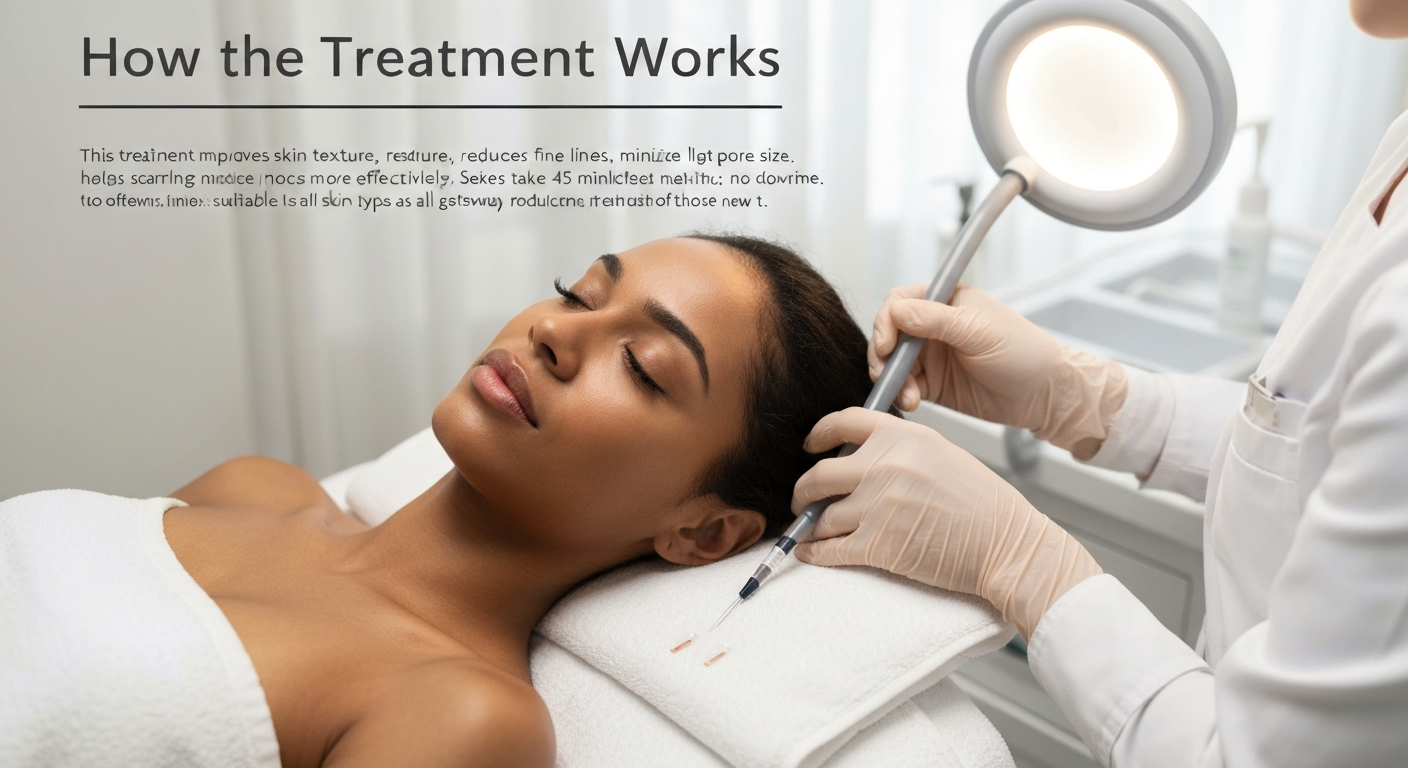
One of HydraFacial's greatest strengths is its universal suitability — it benefits virtually every skin type, age, and concern level. It's gentle enough for sensitive or rosacea-prone skin yet effective enough to satisfy patients seeking visible improvement in fine lines, congestion, or dullness.
HydraFacials are particularly popular as pre-event treatments for weddings, photoshoots, and special occasions due to the instant glow. For ongoing skin maintenance, monthly sessions are recommended. The treatment also pairs beautifully with other procedures — many patients combine HydraFacial with Botox, microneedling, or LED therapy in the same visit for comprehensive results.
MedSpas Offering HydraFacial
Browse verified providers near you
Frequently Asked Questions About HydraFacial
How often should I get a HydraFacial?+
For optimal results, HydraFacials are recommended every 4–6 weeks. Many patients also get them before special events for an instant glow.
Is HydraFacial good for acne-prone skin?+
Yes, HydraFacial is excellent for acne-prone skin. The extraction step removes impurities from pores, and anti-acne serums can be added to target breakouts and excess oil.
Can HydraFacial be combined with other treatments?+
Yes, HydraFacial is often combined with LED light therapy, microneedling, or Botox for enhanced results. Your provider can recommend the best combination for your skin goals.
How much does HydraFacial cost in the U.S.?+
The 2026 U.S. national average for hydrafacial is $175–$350 per session. Premium metros like NYC, LA, Miami, and San Francisco typically run higher — roughly $201–$438 per session. Smaller and Midwestern markets often run 5–10% below the national average.
Why does HydraFacial cost more in some cities?+
HydraFacial pricing varies by city for several reasons: cost of doing business (rent, staff, insurance), local demand and patient willingness to pay, provider credentials (MD-led practices typically charge more than RN injectors), and product or device costs. Always compare 2–3 providers in your area and ask whether quotes include consultation, follow-ups, and any included products.
What should I ask before booking HydraFacial?+
Before booking hydrafacial, ask: (1) what are the provider's credentials and how many hydrafacial treatments have they performed, (2) what specific product or device will be used and is it FDA-cleared/authentic, (3) what is the total quoted price (consultation, treatment, follow-ups included), (4) what downtime should you plan for, and (5) what does the provider's before-and-after portfolio look like for patients similar to you.
Is HydraFacial safe?+
HydraFacial is generally safe when performed by a qualified, licensed provider using authentic FDA-approved or FDA-cleared products. Risk increases significantly with under-trained providers, counterfeit or compounded products from unverified sources, and improper aftercare. Always verify your provider's credentials, see real before-and-after photos, and follow aftercare instructions exactly. If something doesn't feel right, ask questions before consenting.
How do I find the best HydraFacial provider near me?+
The fastest path is to (1) browse verified providers in your city on MedSpa Directory Pro, (2) shortlist 2–3 based on credentials, reviews, and treatment-specific portfolio, (3) book free consultations to compare pricing, recommended treatment plan, and your comfort with the provider, and (4) choose the provider whose plan, portfolio, and communication feel right — not just the cheapest quote.
What are red flags when choosing a HydraFacial provider?+
Common red flags for hydrafacial: prices dramatically below market (often signals counterfeit product or under-qualified provider), reluctance to share credentials or before-and-after photos, no in-person consultation, pressure to book immediately or buy large packages, unsanitary facility, and lack of medical-grade emergency protocols. A reputable provider will welcome questions and never pressure you.